
Overview of the Jeep Gladiator Owner’s Manual
The Jeep Gladiator Owner’s Manual offers comprehensive guidance for 2020 models, covering safety, features, and maintenance. It details engine options, drivetrain, and 4WD systems, plus service schedules and troubleshooting tips. The PDF is available at the official link. Download via URL or forum for insights!
Purpose and Content Summary
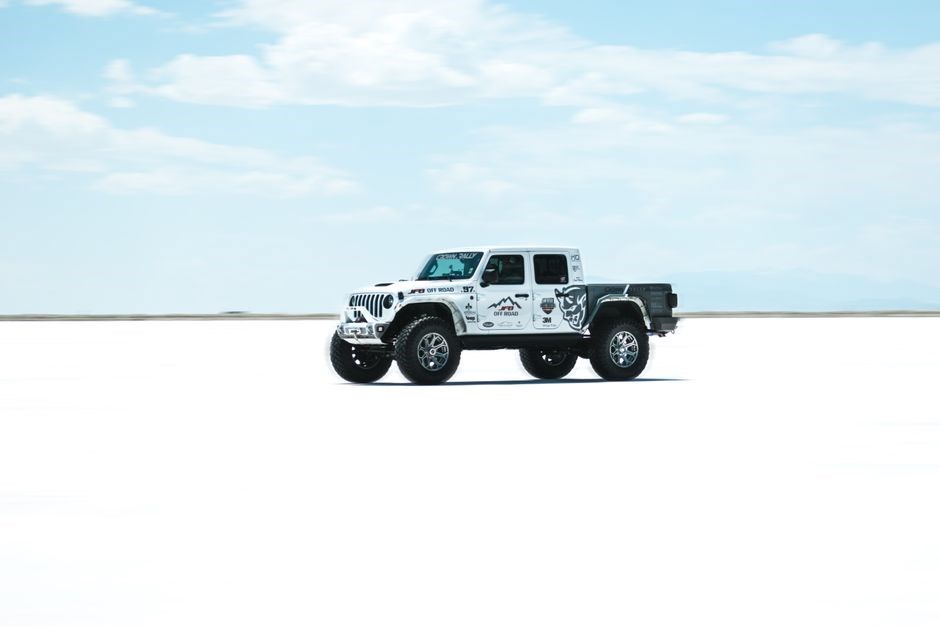
The 2020 Jeep Gladiator Owner’s Manual serves as the definitive reference for owners, providing essential information on vehicle operation, safety, and maintenance. Designed for both new and experienced drivers, the manual outlines key features such as the 4‑wheel drive system, electronic stability control, and advanced off‑road capabilities. It explains how to properly use the Gladiator’s transfer case, differential locks, and traction‑control settings to navigate diverse terrains. The document also details the engine options—3.6‑liter V6 and 3.0‑liter EcoDiesel—highlighting performance data, fuel economy, and emission standards. Additionally, the manual offers a comprehensive maintenance schedule, listing recommended service intervals for oil changes, filter replacements, and fluid checks. Troubleshooting sections guide owners through common issues, from electrical faults to brake system diagnostics. Safety information covers seat‑belt usage, child‑seat installation, and emergency procedures. The manual’s layout includes clear diagrams, step‑by‑step instructions, and a glossary of terms, ensuring that every owner can quickly locate the information needed to keep the Gladiator running smoothly. Available in PDF format, the manual can be downloaded directly from the official Jeep website or accessed through community forums such as JeepGladiatorForum.com, where enthusiasts share insights and updates. Readers are encouraged to consult the manual’s troubleshooting guide for quick solutions, and to keep a copy of the owner’s manual in the glove compartment for easy reference during every adventure always. Owners who desire in‑depth technical data will find the manual’s extensive wiring schematics, torque tables, and service bulletins invaluable, enabling precise maintenance and troubleshooting for Gladiator models.

Accessing the Manual Online
Download the Jeep Gladiator Manual PDF from the Jeep site: link. Alternatively, find the manual on JeepGladiatorForum.com for community tips.!!!
Official PDF Download URL and File Details – also find the manual via JeepGladiatorForum.com
For owners of the 2020 Jeep Gladiator, the official Owner’s Manual is freely available as a PDF from the manufacturer’s secure cloud storage. The direct download link is:
https://msmownerassets.z13;web.core.windows.net/assets/publications/en-us/Jeep/2020/Gladiator/2020-Gladiator-OM-1E_V1.pdf
The file is 1.8 MB in size, contains 122 pages, and is formatted for standard PDF readers. To save it, right‑click the link and choose “Save link as…” or use the “Download” button if available. The PDF includes a table of contents, index, and searchable text for easy navigation.
Alternatively, the JeepGladiatorForum.com community hosts a copy of the manual in the “Resources” section. Navigate to the forum, locate the “Owner’s Manuals” thread, and click the attached PDF link. Forum members often provide additional commentary and quick‑reference sheets that complement the official document.
Both sources provide the same up‑to‑date content, but the manufacturer’s link guarantees authenticity and the latest revisions. If you encounter a broken link, try the forum version or contact Jeep customer support for a fresh copy.
When opening the PDF, ensure your viewer is updated; older versions may not render fonts correctly. The manual’s internal links allow you to jump directly to sections such as “Engine Maintenance” or “4WD System.” If you prefer a printed copy, use the “Print” option and select “Fit to page” to keep the layout intact. For mobile users, the PDF is responsive and readable on tablets and smartphones.
For quick reference, the forum also offers a summarized cheat‑sheet PDF that highlights key maintenance intervals and troubleshooting tips. Downloading both the full manual and the cheat sheet gives you a complete toolkit for daily operation and off‑road adventures.

Vehicle Identification and Model Year Details
The 2020 Jeep Gladiator is identified by VIN prefixes 1C4R, 1C4S, or 1C4T, depending on trim. The manual covers 2020 models, including Sport, Sahara, Rubicon, and Overland trims. Vehicle identification numbers provide year, engine, and body details. VINs encode year engine type and body style for quick reference
Model Variants and Trim Levels Covered in the Manual
The 2020 Jeep Gladiator Owner’s Manual is meticulously organized to cover every officially released trim level, ensuring that owners can locate precise information for their specific vehicle. The manual includes the base Sport, the mid‑range Sahara, the premium Overland, and the off‑road‑centric Rubicon, each with distinct feature sets, equipment packages, and optional accessories. For each trim, the manual details the standard equipment list, optional upgrades, and any factory‑installed packages that differentiate one variant from another. It also outlines the specific wheel and tire configurations, suspension tuning, and available aftermarket accessories that are compatible with each trim level. Additionally, the manual provides guidance on how to identify the trim level using VIN decoding, dashboard indicators, and interior trim markers, allowing owners to confirm their vehicle’s exact configuration quickly. By covering all four primary trims, the manual ensures that every Gladiator owner can reference the correct specifications, maintenance schedules, and troubleshooting procedures relevant to their particular model variant. The manual also includes a section on special edition packages, such as the Limited Edition and the 2020‑specific “Jeep Gladiator” edition, which feature unique styling cues and exclusive hardware. Owners can use the manual to verify the presence of these packages and understand how they affect performance, warranty coverage, and service intervals. Furthermore, the manual addresses the differences in powertrain options across trims, noting that the Sport and Sahara trims typically come with the 3.6‑liter V6, while the Rubicon may offer the 3.6‑liter V6 with enhanced off‑road electronics. The Overland trim often includes the 3.6‑liter V6 with a 6‑speed automatic, and the manual provides a detailed comparison of torque curves, horsepower ratings, and fuel economy figures for each configuration. This level of detail allows owners to make informed decisions about upgrades, aftermarket modifications, and daily driving habits based on their trim’s capabilities. The manual’s comprehensive approach to trim coverage also includes a troubleshooting guide that lists common issues specific to each trim level, such as the Rubicon’s specialized traction control system or the Overland’s advanced infotainment suite. By referencing the correct trim information, owners can follow the recommended service intervals, perform accurate diagnostics, and maintain their Gladiator in peak condition. The manual’s clear, organized layout makes it easy to navigate between trims, ensuring that every owner can find the information they need quickly and efficiently. Owners should review the manual’s optional 4WD packages section for proper installation.

Engine and Powertrain Specifications

The 2020 Gladiator features a 3.6‑L V6 engine delivering 285 hp and 260 lb‑ft torque, paired with a 6‑speed automatic or 6‑speed manual. Powertrain options include 4WD with a transfer case, and optional 3.6‑L V6 with 4‑wheel‑drive modes for off‑road performance. Manual gearbox delivers fast shift feel for drivers now
Engine Options and Performance Data Included in the Manual
The 2020 Gladiator is powered exclusively by a 3.6‑liter V6 cylinder block that delivers 285 horsepower at 5,200 rpm and 260 lb‑ft of torque between 2,400 and 4,000 rpm. The engine is paired with either a 6‑speed manual or a 6‑speed automatic transmission, both calibrated to provide smooth shifts and responsive power delivery for on‑road and off‑road driving. The manual also offers a 5.0:1 final drive ratio for the manual gearbox, while the automatic uses a 3.7:1 ratio, allowing the vehicle to maintain optimal torque for heavy‑duty tasks. The engine’s fuel economy is rated at 20 mpg city/25 mpg highway in the 4×4 configuration and 22 mpg city/27 mpg highway in the 4×2 configuration, according to EPA estimates. The manual details the engine’s cooling system, which includes a 1.5‑liter radiator, electric cooling fans, and a high‑pressure oil pump that operates at 3,500 rpm. The torque curve peaks at 260 lb‑ft, maintained across a broad range of engine speeds, giving the Gladiator excellent low‑end grunt for off‑road crawling and high‑end acceleration for highway passing. The manual also lists the recommended oil type (5W‑30 synthetic blend), filter specifications, and the timing chain tensioner’s service interval of 60,000 miles. In addition, the manual provides a detailed breakdown of the engine’s compression ratio (10.8:1), cylinder head design, and the intake manifold’s variable‑length system, which helps optimize airflow at different engine speeds. The engine also uses a catalytic converter, EGR valve, and particulate filter to meet Tier 4 standards. Inspect the converter every 30,000 miles and clean or replace the EGR valve if hesitation occurs. Finally, the manual includes a troubleshooting section that covers common engine‑related issues such as misfires, rough idling, and coolant leaks, along with step‑by‑step diagnostic procedures and recommended repair parts. Check!
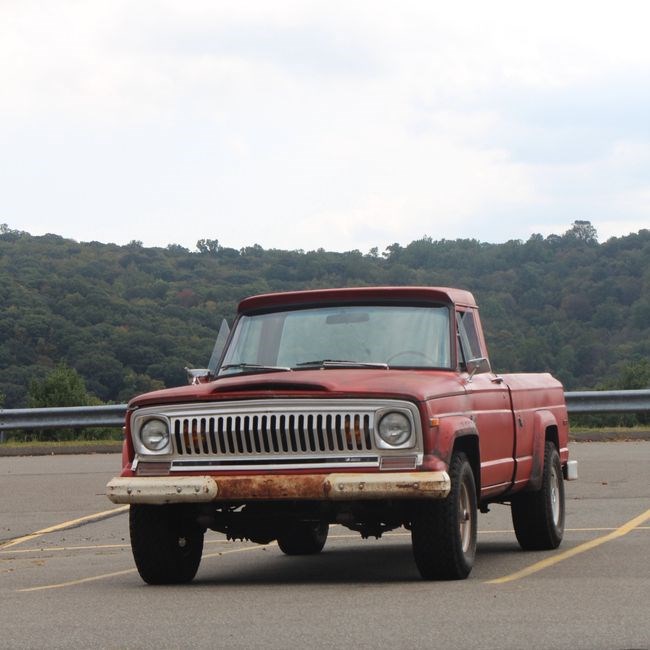
Transmission and Drivetrain Information
The Gladiator offers a 6‑speed manual or 6‑speed automatic. The manual uses a 5.0:1 final drive; the automatic uses 3.7:1. A 4‑wheel transfer case with low‑range 2.72:1 is standard. The system includes a 4‑wheel‑drive mode selector, locking hubs, and a 4‑wheel‑drive differential for off‑road traction. Check update
Automatic vs Manual, Transfer Case Features Explained
The Jeep Gladiator’s drivetrain offers both a 6‑speed manual and a 6‑speed automatic transmission, each paired with a robust transfer case designed for extreme off‑road demands. The manual transmission features a 5.0:1 final drive ratio, providing a strong torque multiplication ideal for heavy‑duty tasks. The automatic, with a 3.7:1 ratio, delivers smoother power delivery for everyday driving while still maintaining off‑road capability.
Both transmissions connect to a 4‑wheel transfer case that includes a low‑range 2.72:1 gear. This low‑range mode locks the front and rear differentials, ensuring equal torque distribution to all wheels and maximizing traction on steep or slippery terrain. The transfer case also houses a 4‑wheel‑drive selector that allows the driver to switch between 2‑wheel and 4‑wheel drive modes with a simple button press.
Key features of the transfer case include:
- Locking hubs for permanent 4‑wheel drive when the vehicle is in 4‑wheel mode.
- Electronic traction control that monitors wheel slip and applies engine braking or differential torque as needed.
- An integrated transfer case lock that can be engaged manually for maximum off‑road performance.
- Durable aluminum construction to resist corrosion and reduce weight.
When operating in 4‑wheel drive, the Gladiator automatically engages the transfer case’s low‑range gear on steep inclines or when the traction control system detects wheel slip. The driver can also manually select low‑range from the dashboard, which is recommended for rock crawling, sand dunes, or heavy towing. The transfer case’s design ensures that torque is evenly distributed, preventing wheel spin and maintaining vehicle stability.
In summary, the Gladiator’s automatic and manual transmissions, combined with a versatile transfer case, provide drivers with the flexibility to handle both daily commutes and extreme off‑road adventures. Whether you need the precise control of a manual or the convenience of an automatic, the Gladiator’s drivetrain is engineered to deliver reliable performance in any environment.
Enjoy!

Off‑Road and 4WD Systems

The Gladiator offers selectable 4‑wheel drive modes—2‑wheel, 4‑wheel high, and 4‑wheel low—each engaging the transfer case for optimal traction. Electronic traction control monitors wheel slip, applying engine braking differential torque to maintain stability on uneven terrain.
Four‑Wheel Drive Modes and Traction Control Guidance
Jeep Gladiator equips drivers with three primary 4‑wheel drive selections: 2‑wheel drive (2‑WD), 4‑wheel high (4‑WD‑H), and 4‑wheel low (4‑WD‑L). The 2‑WD mode is ideal for paved roads, conserving fuel and reducing drivetrain wear. Switching to 4‑WD‑H engages the transfer case, distributing torque to all four wheels while maintaining a 4:1 front‑to‑rear ratio for improved traction on gravel, mud, or light snow. The 4‑WD‑L mode locks the transfer case, providing a 2:1 ratio that delivers maximum torque to the rear wheels, essential for steep inclines, rock crawling, or heavy towing. The Gladiator’s electronic traction control system works in tandem with these modes. Sensors monitor wheel speed and slip; when a wheel loses traction, the system applies engine braking and adjusts differential torque, preventing wheel spin and maintaining vehicle stability. Drivers can manually select modes via the dashboard selector or the steering‑wheel‑mounted controls, and the system automatically reverts to the safest mode if conditions change. Proper use of each mode enhances off‑road capability while protecting drivetrain components.
For optimal performance, always consult the manual’s recommended tire pressure tables and suspension settings before embarking on challenging terrain. The Gladiator’s skid plate and off‑road tires are designed to protect the underbody and deliver traction on loose surfaces. Remember to check fluid levels, especially the transfer case fluid, to avoid drivetrain damage during extended off‑road use. Stay saf.
Maintenance Schedule and Owner Tips
Follow the 2020 Gladiator schedule: oil every 5,000 miles, filter change, inspect brakes, tires, and fluid levels. Check transfer case and differential fluids at 10,000 miles. Replace air filter every 15,000 miles. Keep a log and use OEM parts for longevity.
Replace cabin air filter; clean battery terminals.
Recommended Service Intervals and Fluid Checks Detailed
The 2020 Jeep Gladiator Owner’s Manual specifies a structured maintenance schedule designed to preserve performance and extend vehicle life.Key service intervals are listed in a clear, mileage‑based format: oil and filter change every 5,000 miles or six months, whichever comes first.Engine coolant should be inspected and topped off at 10,000 miles, with a full flush and replacement every 60,000 miles.Transmission fluid is recommended for inspection at 15,000 miles and replacement at 30,000 miles for the automatic, while the manual’s fluid should be checked at 15,000 miles and replaced at 30,000 miles.The transfer case fluid requires a check at 10,000 miles and a full change at 30,000 miles.Front and rear differential fluids should be inspected at 10,000 miles and replaced at 30,000 miles.Brake fluid is to be replaced every 30,000 miles or 24 months, and the brake pads and rotors are inspected at every oil change.Tire rotation and alignment are advised every 5,000 miles to ensure even wear.Cabin air filter replacement is recommended at 15,000 miles or as needed if the filter becomes visibly dirty.Battery terminals should be inspected and cleaned at each service interval to prevent corrosion.The manual also advises checking the power steering fluid at 15,000 miles and replacing it at 30,000 miles.For vehicles equipped with the 4‑Wheel Drive system, the 4WD fluid should be inspected at 10,000 miles and replaced at 30,000 miles.Finally, theowner’smanual stresses theimportance ofmaintaining a service servicelog,documenting eachinspection,fluid level,and partreplacementand resale.